

Do You Need Special Code to Rank in AI Overviews?
Did you know? The Google AI Overviews (AIOs), the summaries powered by Gemini, appear above traditional search results and are now present in over 30% of queries covering complex and informational searches.
Unlike zero-click features, which cannibalize traffic, the data suggests AIOs can drive higher quality and more engaged visitors when your content gets cited.
So, the technical SEO experts are now thinking about the need for new markup or proprietary AI text files, or crawl directives to rank in these generative results.
The straightforward answer is ‘NO’, no special code is needed, but your existing technical infrastructure must not have any flaws. This blog helps you understand the technical requirements for appearing in AI features and overviews. Let’s get started.
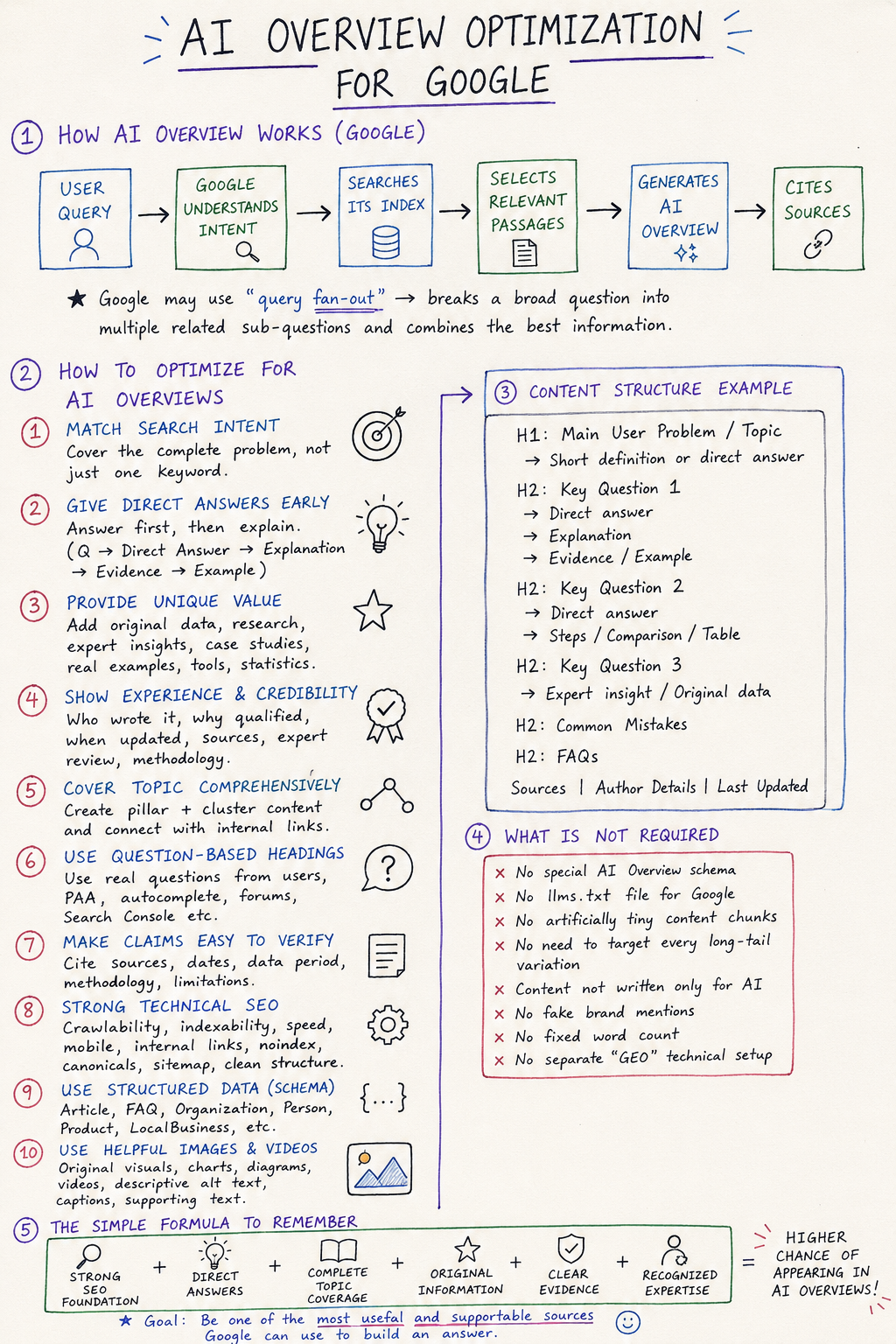
Based on Google’s Search Central Documentation, there are no additional technical requirements mentioned to appear in the AI overviews beyond what you follow in existing search eligibility in traditional SEO.
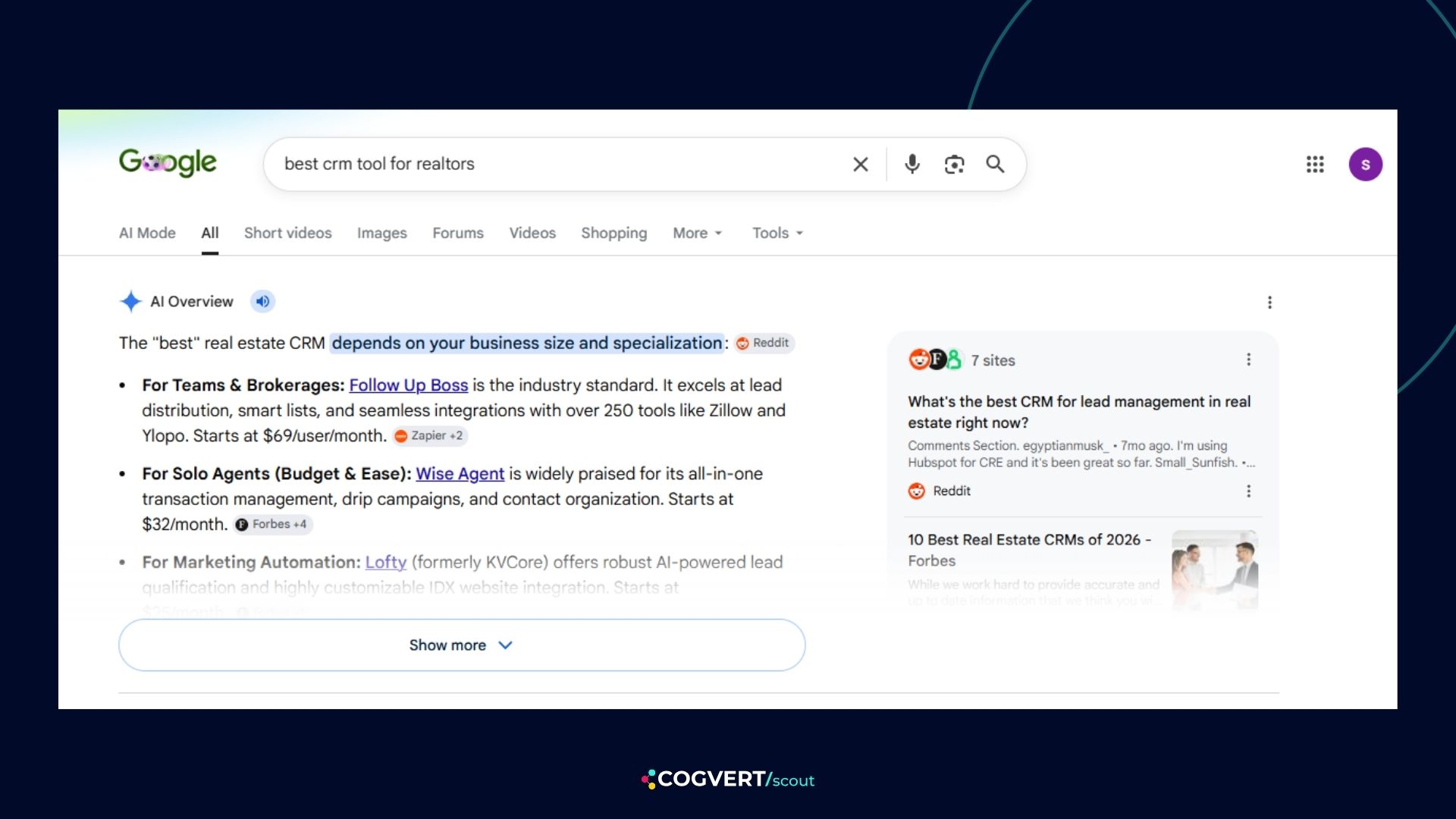
If a particular page is indexable, it is eligible to display a snippet in the traditional results, and it is technically fit for AIO inclusion as well.
The Baseline Threshold
Your content must follow these rules to appear in AI overviews:
- Make sure your content is crawlable and indexed by Googlebot
- It should be compatible with showing in snippets and make sure not to be blocked by nosnippet directives.
- The content should meet Google’s quality guidelines for search.
What You Don’t Need
There is no:
- AI-specific markup or schema.
- Separate ai.txt file or robots.txt for AI crawlers.
- New XML sitemap protocol for AI surfaces.
- Proprietary JSON-LD format needed for LLM ingestion.
Implication: If you are not appearing in the AI overviews, it’s not about specific tags; it is about the foundational technical SEO or lack of content quality.
AI Overview SEO Prerequisites
Any crawl, rendering, or indexation issue that affects the rankings in traditional search also affects the visibility on AI overviews.
Indexation and Crawlability
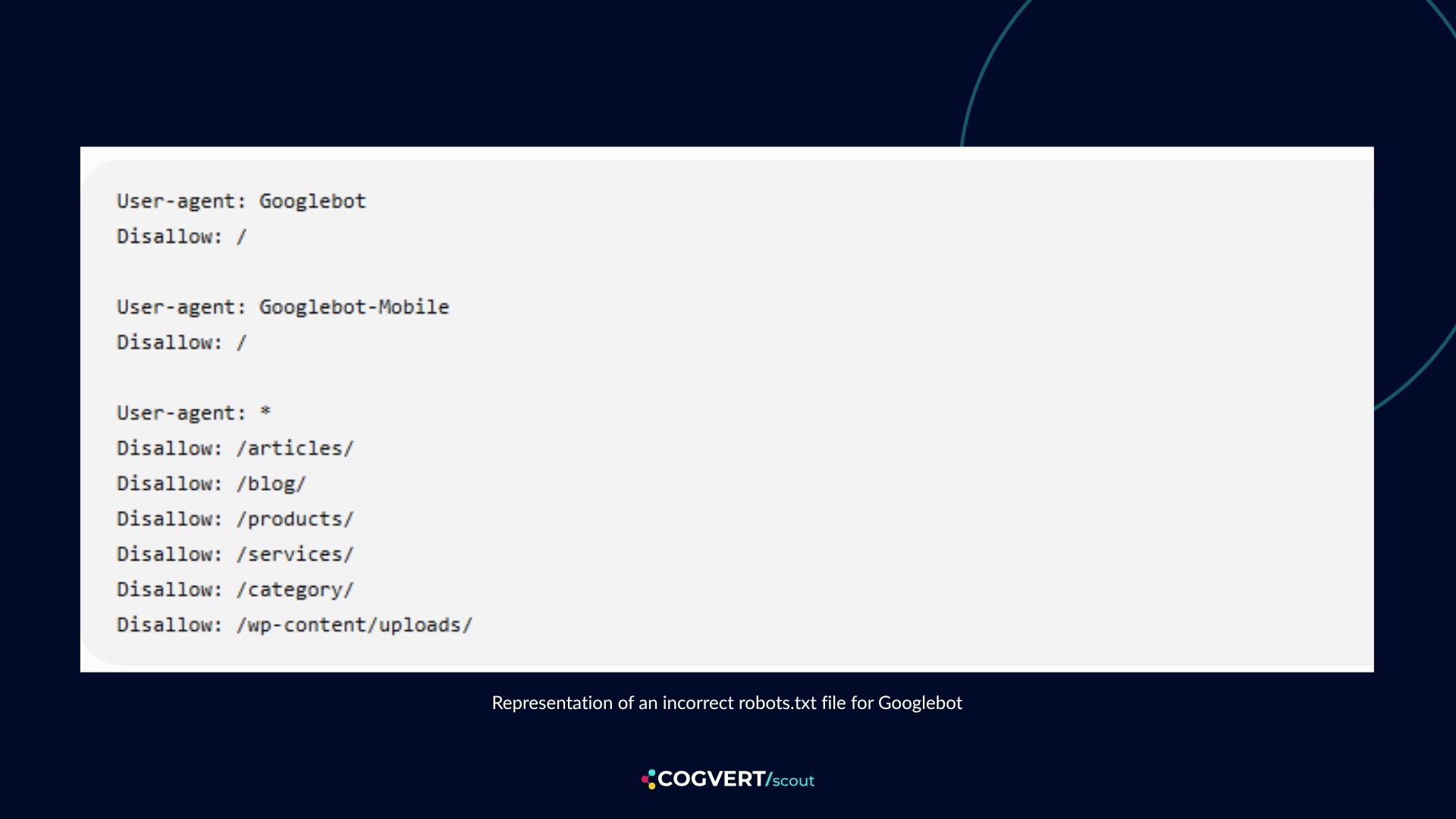
- Configure Robots.txt: Make sure you verify that Googlebot, and particularly Googlebot-Mobile, can access the content-bearing URLs. Use Google Search Console’s robots.txt tester to check that no critical paths are blocked.
- Architecture: AI models generally depend on topical authority and information hierarchy. Orphaned pages and unreachable internal links are usually invisible to AI synthesis. Implement a logical link structure where content receives consistent internal linking from related pages.
Page Experience & Site Health
- Mobile Compatibility: This is super important, as over 60% of searches happen on mobile devices, and AI overviews always prioritize content that is optimized for mobile. Use responsive design and meet the 48px minimum tap-target size to avoid interstitials that obscure content.
- Core Web Vitals: AI search engines, including Google’s generative features, do not value slow-loading pages. Target LCP under 2.5 seconds, FID under 100ms, and CLS under 0.1 to pass Core Web Vitals. Pages that pass are 53% more likely to appear in SERP features, including AI overviews.
- Encryption / HTTPS: Make sure the website has a valid SSL certificate, as non-secure pages are not considered by AI. Valid SSL avoids mixed-content warnings — implement HSTS headers wherever appropriate.
- Accessibility: Make sure content parses correctly, as AI models cannot synthesize content that cannot be parsed. Text embedded in images, hidden behind auth walls, or in non-indexable formats like Flash or untagged PDFs remains invisible to generative systems.
- Ensure Textual Availability: Critical information should be in HTML text — not only in image content — or embedded with video transcripts. Use proper semantic HTML rather than rendering text as CSS background images.
Structuring Content for AI Readability
Though Google mentions there are no special requirements, structure functions as a roadmap for AI overviews. Well-structured content is easy for LLMs to parse, extract, and synthesize.
Heading Hierarchy
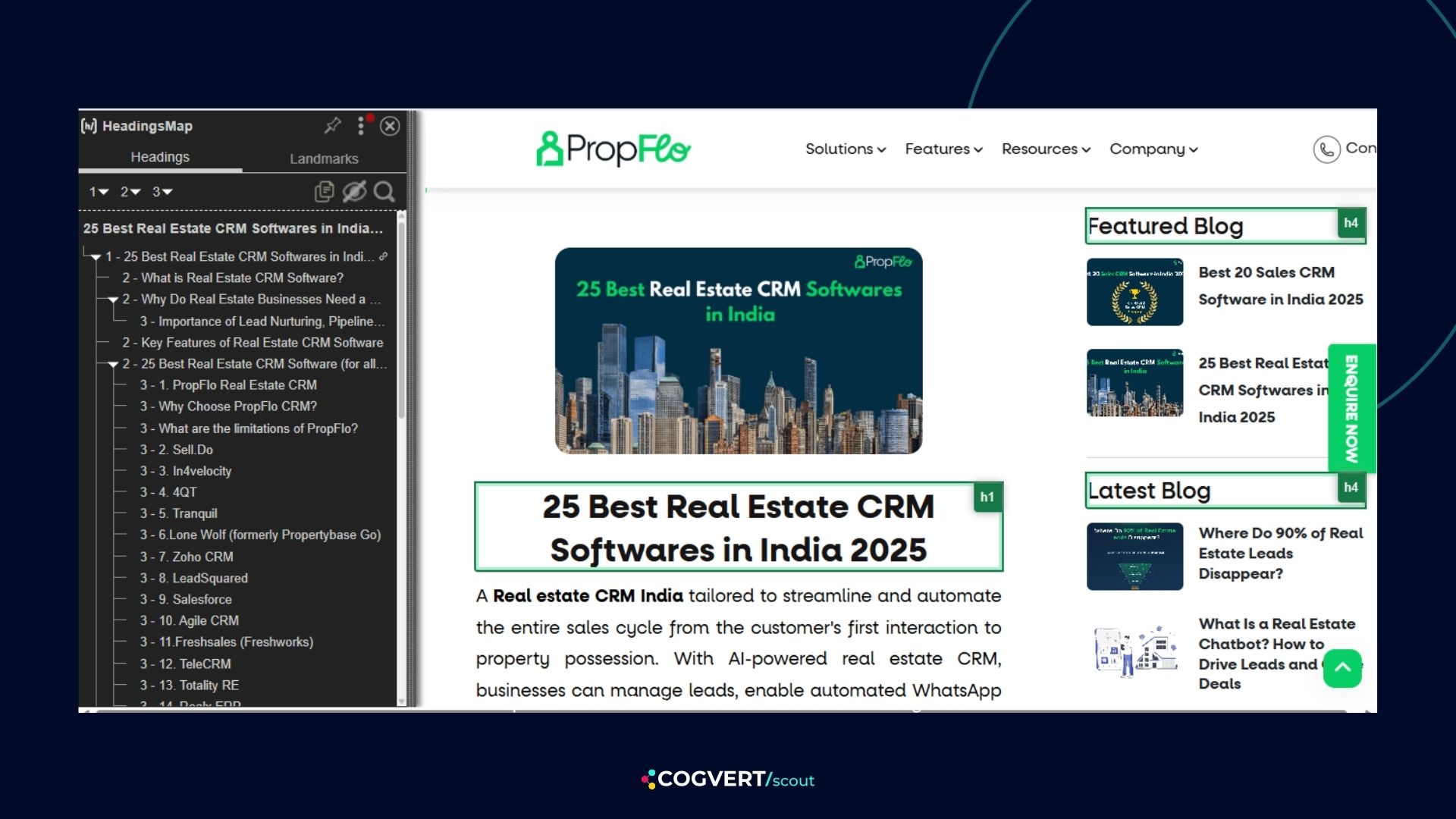
Always use a logical H2/H3 structure that mirrors common question patterns. AI overviews pull from sections with headings like the following:
- What is …?
- How does that work?
- Benefits of a solution?
- Topic vs. alternative
Every heading must introduce a self-contained concept. Avoid decorative headings like “Overview” or “Introduction.” AI overviews favor descriptive, keyword-rich alternatives that answer intent-based queries.
Lists & Tables
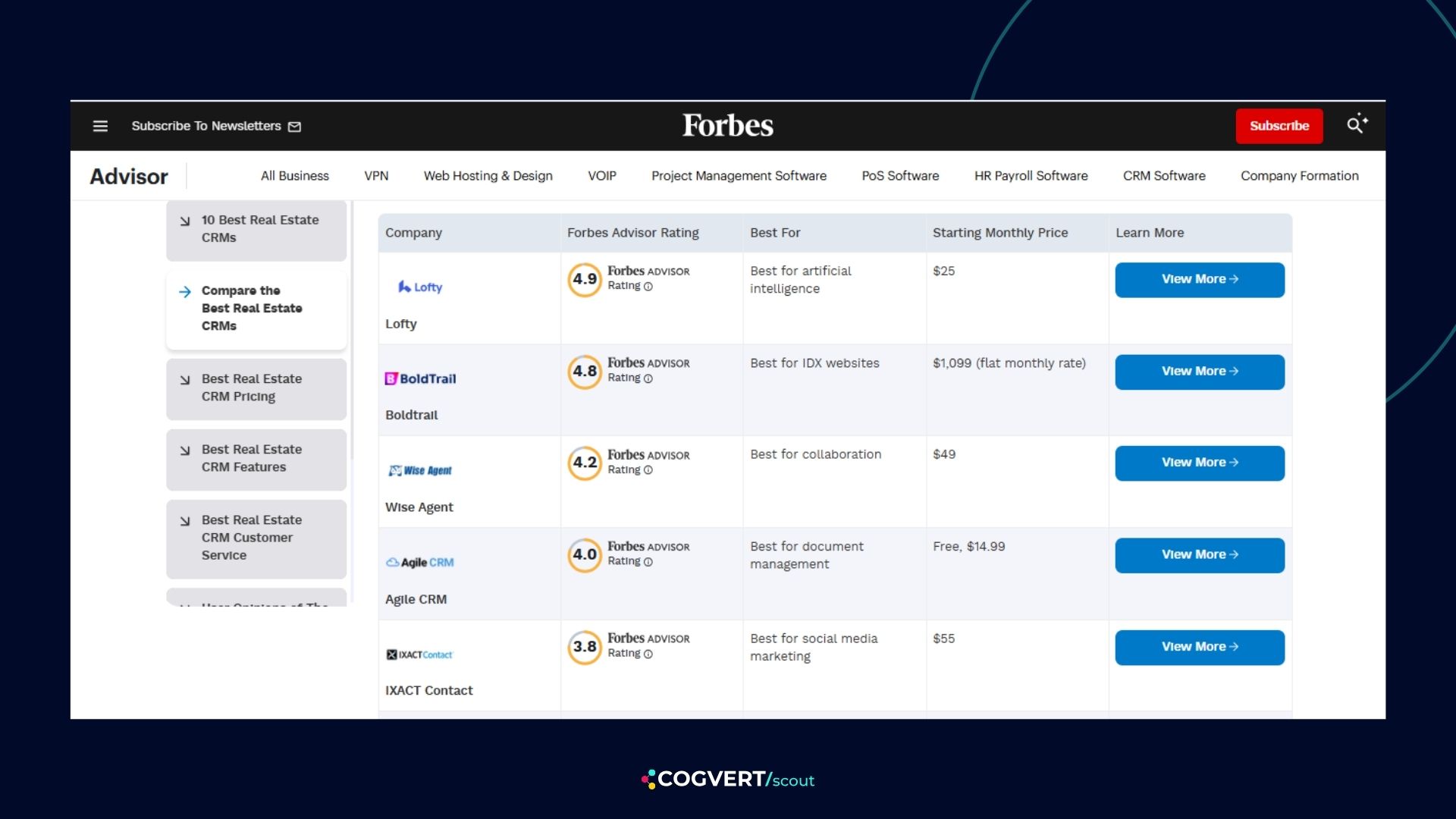
Bulleted and numbered lists are extracted at higher rates compared to paragraph-based content. When explaining steps, options, or features, use them as an ordered or unordered list.
- For sequential processes, use
<ol>with clear labels. - For feature lists or benefit breakdowns, use
<ul>. - Avoid nesting by sticking to one or two levels.
Tables for comparative data: AI overviews generally parse HTML tables more efficiently. Make sure you present pricing tiers and feature comparisons with proper markup — <table> elements with <th> headers and <caption> tags.
Schema Markup for AI Overviews
Role of Schema Markup
Schema is not a mandatory requirement for AI overviews, but structured data provides explicit context about the type of content, relationships, and hierarchy. Think of schema as annotated notes in the content’s margin — AI models don’t need them, but they significantly improve accuracy in comprehension.
- Clarification: There is no dedicated “schema for AI visibility.” Standard schema.org types already serve the purpose, and there is no evidence that schema alone can bring AI visibility.
- High-Value Schema Types — QAPage and FAQPage: Highly effective for question-based queries. Implement FAQPage schema when you have a list of Q&A pairs on a single page. Use QAPage for dedicated Q&A threads, like community or forum posts.
- HowTo Schema: For procedural content that includes step-by-step instructions, include tools, supplies, and time estimates where relevant.
- Article Schema: Very important for long-form content — include datePublished, headline, dateModified, and author. Proper Person or Organization markup is essential to establish authorship signals.
- LocalBusiness and Product: For local entities and e-commerce, AI overviews for product queries pull more from Product schema covering availability, review, and pricing information. For local searches, AI synthesizes LocalBusiness data like location, services, and hours.
Implementation Needs
Schema markup must match exactly with the visible on-page content. Google penalizes mismatched markup or content. An AI model trained on your schema will produce inaccurate summaries if the structured data contradicts the HTML text. Validate schema using Google’s Rich Results Test and Schema Markup Validator before deployment.
Advanced AIO Ranking Tactics
AI Citations & Text Fragments
AI Overviews generally link to source content using Text Fragment URLs that end in #:text=specific%20passage. This URL format highlights the exact sentence or phrase that AI extracted.
Text Fragment Optimization
Content that is optimized for featured snippets — with clear formatting, answer-first structure, and concise definitions — has a greater probability of AIO inclusion. AI selects specific passages, not entire pages.
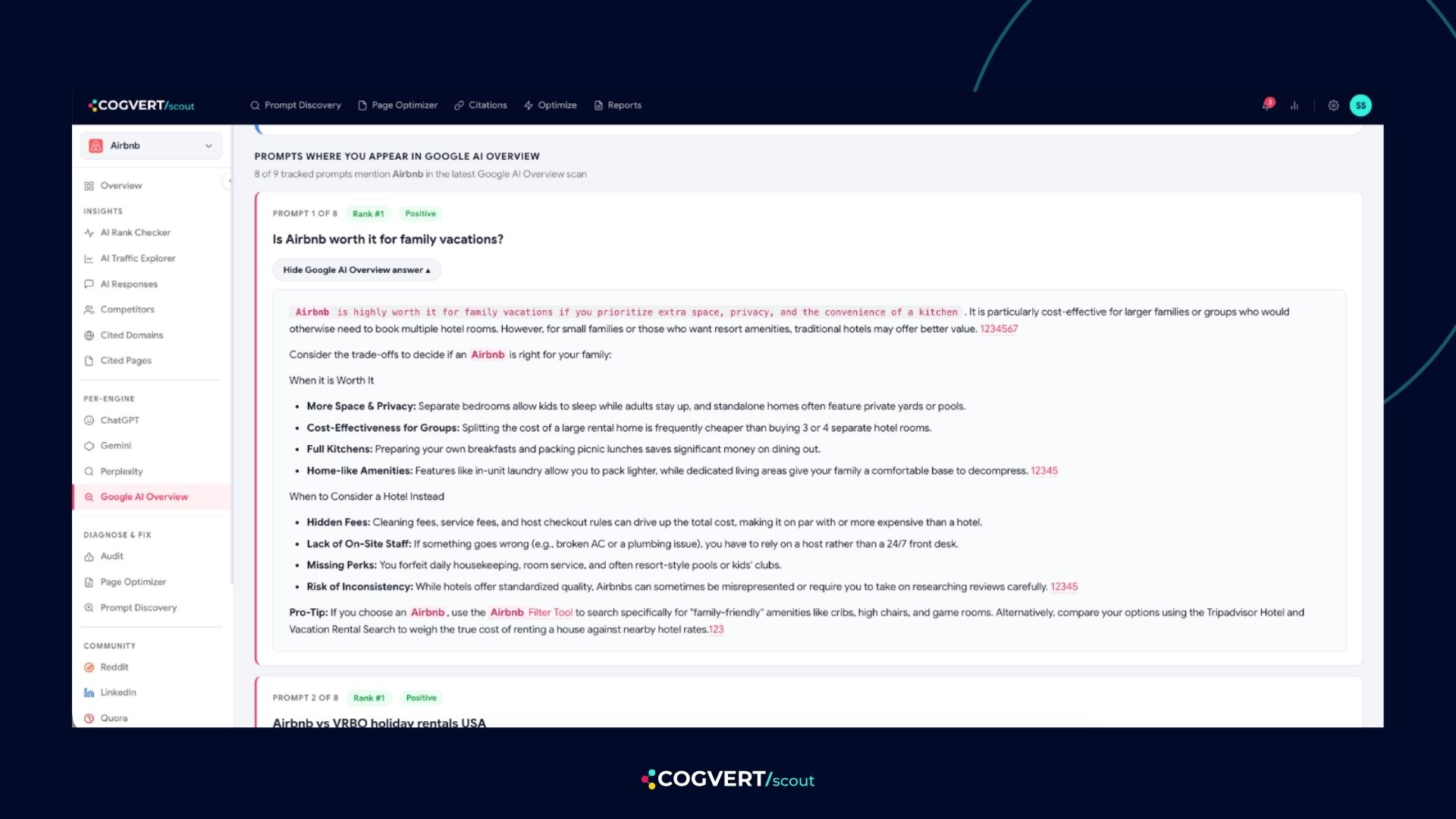
To increase Text Fragment targeting:
- Write sentences that define concepts without needing surrounding context.
- Use precise terminology that avoids ambiguity.
- Structure answers as 40–60 word paragraphs that can be extracted independently.
Integrating Multimedia
AI Overviews pull videos and images alongside text synthesis, so make sure multimedia is readable. Follow these guidelines:
Image Optimization
- Use keyword-rich alt text — not generic file names like “image1.jpg.”
- Implement ImageObject schema with caption, contentUrl, and description.
- Host images at stable URLs to avoid dynamic parameters or session IDs.
- Images should be high quality, with a minimum width of 1200px.
Video Optimization
- Add VideoObject schema with name, description, uploadDate, and thumbnailUrl.
- Provide accurate video transcripts in HTML, not just closed captions.
- Use semantic HTML5
<video>tags instead of embedded iframes when possible.
How to Opt Out of AI Overviews
There is no opt-in mechanism for AI overviews, so you control your exposure through standard robots meta tags and directives.
Robots Meta Tag Directives
- nosnippet: Prevents a text snippet from appearing in search results, which may also block AI overviews.
<meta name="robots" content="nosnippet"> - max-snippet:[number]: Limits the snippet length to a maximum character count. Setting
max-snippet:0functions identically to nosnippet.<meta name="robots" content="max-snippet:100"> - data-nosnippet attribute: Hides specific page sections from snippet extraction while allowing the rest of the content to remain eligible.
Strategic Considerations
If you block AI overviews, you are building a wall against potential high-quality traffic. Before implementing snippet restrictions, consider the following:
- Whether branded queries suffer from AI-driven zero-click rates.
- Whether transaction pages, where clicks are essential, need to be protected.
- Whether informational content benefits from AIO visibility even without immediate clicks.
- Most websites should optimize for inclusion rather than apply blanket nosnippet directives.
Measuring AI Overview Performance
Limitations of GSC
AI overview data is currently grouped under the “web” search type in Google Search Console’s performance reports — there is no separate filter to isolate AIO impressions, positions, or clicks.
You can infer AIO presence by:
- Monitoring high-volume informational queries for impression shifts.
- Watching position-distribution changes closely, as AIOs often push organic results to position 2–3.
- Analyzing changes in click-through rate, since AIOs tend to reduce CTR while improving engagement metrics.
Third-Party Tracking Tools
Use platforms like Cogvert Scout, SE Ranking, Ahrefs, or Semrush to:
- Understand which queries trigger AI overviews.
- Monitor which competitors appear in AIO citations.
- Track your content’s presence in generative results over time.
- SE Ranking, for example, offers AIO tracking with citation visibility and share-of-voice metrics.
Re-Indexing for Faster Results
After adding summarized paragraphs, correcting schema, or restoring headings, request re-indexing manually via Google Search Console’s URL Inspection tool whenever you implement technical improvements.
Key Takeaways
There are no new technical requirements for AI overviews — it’s simply that high-quality technical SEO must be executed without compromise. There is no specialized markup, no proprietary AI crawler to appease, and no separate index to target. The real challenge is that AI models demand the same technical excellence that has always been best practice — but they punish technical debt far more severely than traditional algorithms do.
Mobile-optimized sites that are fast, secure, and reliable, with clean crawl paths and a logical, machine-readable structure, aren’t just SEO best practices — they’re essential for visibility in generative search today. Build a technically sound infrastructure, create people-first content with clear answers and structure, and the AI will follow.